



Commercial Township Marsh Restoration

Restoring wetlands. Supporting wildlife. Strengthening our region.
This restoration site is part of PSEG’s Estuary Enhancement Program (EEP) — a long-term effort to restore and strengthen tidal wetlands along the Delaware Estuary.
Working with scientists, environmental organizations, regulators and local communities, the program focuses on restoring marsh habitat, improving aquatic ecosystems and supporting the long-term health of the estuary.
Through restoration projects like this one, the EEP helps expand habitat for fish and wildlife, encourage the return of native marsh vegetation and reconnect wetlands with natural tidal processes.
Learn more about the Estuary Enhancement Program and restoration efforts across the Delaware Estuary.
Overview
Situated along the southern New Jersey shoreline of the Delaware Estuary, the Commercial Township Salt Hay Farm Wetland Restoration Site covers approximately 4,171 acres in Cumberland County and is the largest wetland restoration site within the Estuary Enhancement Program.
The project includes the preservation of 339 acres of upland buffer habitat and the preservation, restoration and enhancement of 2,894 acres of previously diked wetlands.
Restoration activities focused on reconnecting the marsh with natural tidal processes. Enhancement began in 1996 and was completed in 1997 with the return of daily tidal flow to the site.
Restoration goals
Enhancement and restoration efforts focused on strengthening the health and resilience of the marsh ecosystem by:
- Supporting the return of Spartina and other desirable marsh vegetation
- Preserving wetlands and surrounding upland buffer habitat
- Restoring tidal flow and drainage
- Expanding spawning and nursery habitat for aquatic species
Actions taken
To achieve these goals, the Estuary Enhancement Program implemented several restoration measures across the site, including:
- Constructing channels and inlets to reconnect the marsh with natural tidal waters
- Restoring normal tidal flow to promote the natural re-vegetation of Spartina and other desirable marsh plants
- Creating high marsh habitat within the restored wetland
These actions helped restore natural hydrology and create conditions for native marsh vegetation to expand.
Restoration results
Restoration activities delivered measurable ecological improvements across the site:
- 2,894 acres of aquatic habitat returned to the Delaware Estuary
- Successful re-vegetation by desirable marsh plant species
- Natural formation of small tidal channels within the restoration site
- Fish utilization documented at levels similar to adjacent natural marshes
These results demonstrate the recovery of key ecological functions within the restored wetlands.
Public access and site enhancements
Enhancements were completed to support environmental education, recreation and responsible public access, including:
- Two boardwalks
- Observation platform
- Nature trail
- Car-top boat launch
- Three parking areas
These improvements allow visitors to experience the restored marsh landscape and connect with the natural resources of the Delaware Estuary.
Ongoing stewardship
As part of its long-term commitment to the restoration of this site, the Estuary Enhancement Program continues to:
- Monitor vegetation
Ongoing monitoring helps track ecological progress and support the continued health of the restored marsh ecosystem.
-
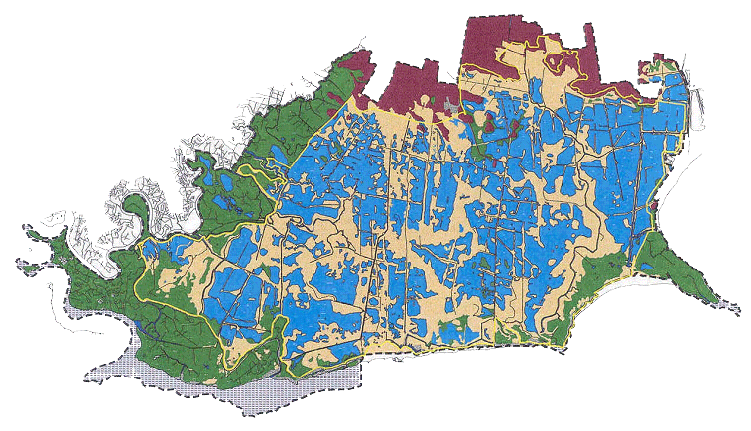
Prior to restoration, the site was largely dominated by Phragmites and ponded water. Following channel creation and dike removal, the Phragmites population declined rapidly.
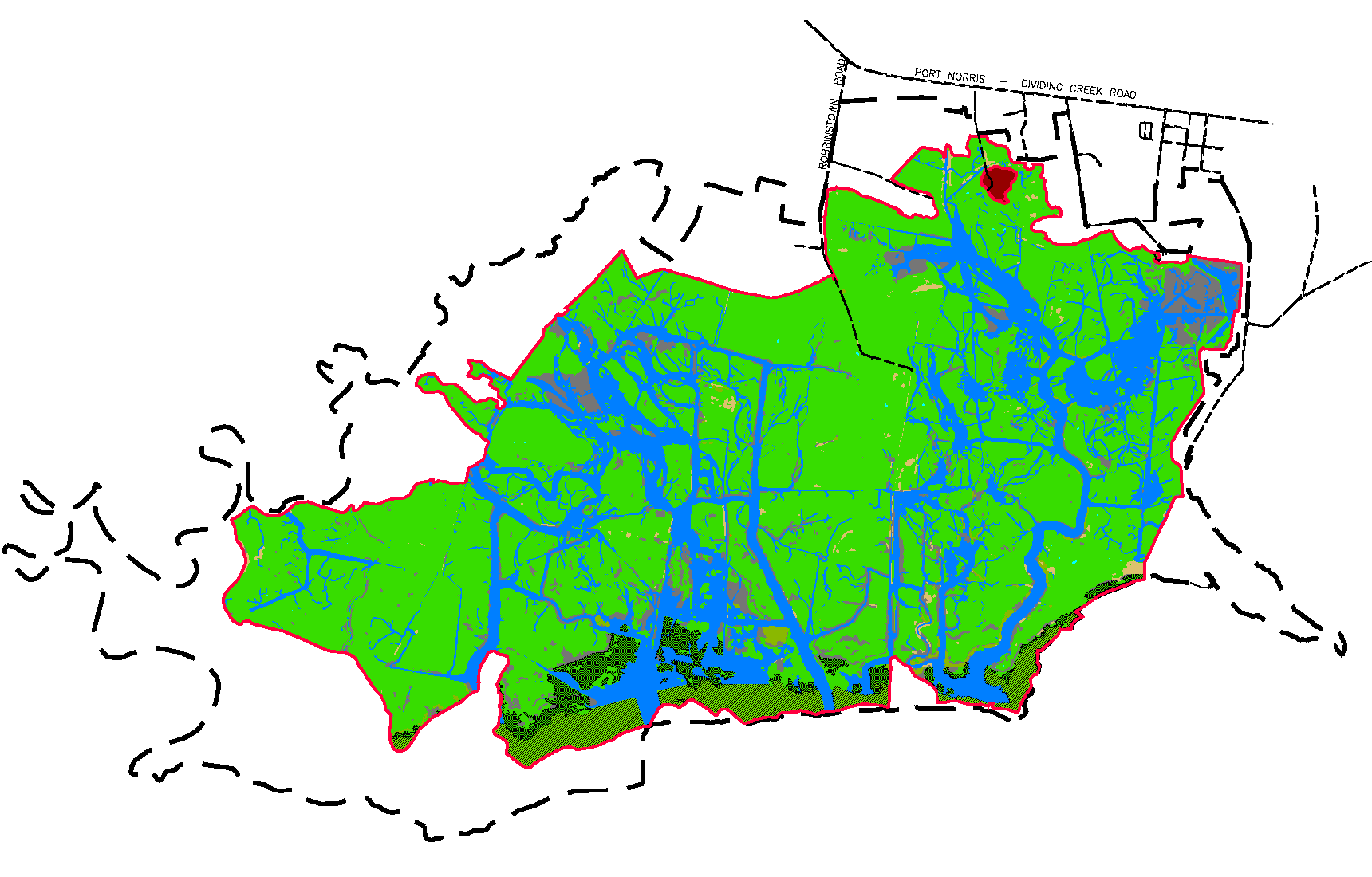
The site reached its final Phragmites control success criteria in 2003, and Spartina vegetation continues to expand across the marsh, reflecting the ongoing restoration trajectory of the wetland.
Before restoration (1996)
Prior to restoration activities, the wetland was largely dominated by Phragmites (tan shaded areas) and ponded water (blue shaded areas). Spartina and other desirable marsh vegetation (green shaded areas) were limited to a small area along the western perimeter of the site.
After restoration
Following channel construction and dike removal, both ponded water and Phragmites populations declined substantially, allowing Spartina marsh vegetation to expand and dominate the site.